Before You Hit Send: The Intimate Photo Pact UK Couples Need in 2026

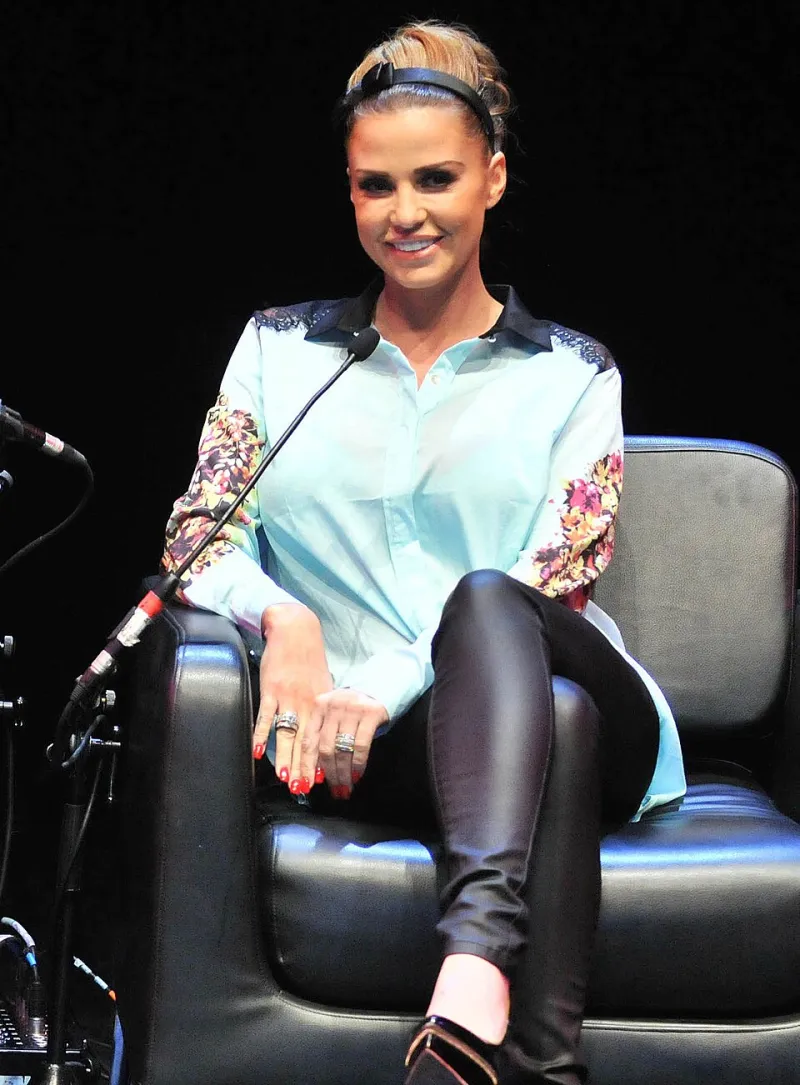
Photo: James Allan, CC BY-SA 2.0, via Wikimedia Commons
Intimate photos are not a personality test. They are a trust exercise with a camera roll attached. And in 2026, with phones that sync to the cloud, group chats that never quite die, and AI tools that can invent a naked body from a headshot, the old advice of just be careful feels about as useful as a chocolate teapot. This is not a lecture. It is a practical, consent-aware guide for UK couples and glamour creators who want to share heat without the hangover.
Start with a date-night conversation, not a courtroom
Pick a relaxed moment — after dinner, before the dishes, not mid-sext. Say: 'I like sending you photos, and I want us both to feel safe about it. Can we agree some ground rules?' Then cover five things: what you are happy to send, where it can live, who can see it, how long it stays, and what happens if things change. Consent is specific. A yes to a topless pic is not a yes to a full-face video. A yes tonight is not a yes next month. If your partner says maybe, treat it as a no until it becomes a clear yes.
The pre-send checklist
Before you hit send, run a quick mental scan. Is this image yours to share? Does it include someone else who has not agreed? Can you see your face, tattoos, birthmarks, or a very recognisable bedroom? Is there post on the side that gives away your address? Have you checked the app's privacy settings? View-once and disappearing messages reduce the window but do not stop screenshots. Locked folders are useful for storage, not a force field. Turn off auto-save for received media if you do not want intimate images sitting in your camera roll, and check whether your cloud backup is quietly hoovering up hidden albums. If you use WhatsApp, know that view-once is not a guarantee; if you use Signal, disappearing messages are handy but still not screenshot-proof. Telegram secret chats are encrypted, but the person on the other end still has hands.
A good rule: only send what you would be okay seeing on a locked screen in a taxi. That is not victim-blaming. It is risk awareness. The responsibility for abuse always sits with the person who shares without consent.
Scripts that do not sound like HR
Consent conversations can be sexy when they are direct. Try: 'I am up for sending something, but only if we agree no saving, no showing friends, no screenshots. Does that work for you?' If you change your mind halfway through, say: 'I am having second thoughts about the full-face one. Can we stick to the other?' Afterward, try: 'I would like us to delete that thread when we are done. Can you do that now?' A partner who sulks at a boundary is giving you useful information. A partner who respects you will not treat consent like a rejection.
UK law, minus the jargon
Across the UK, sharing an intimate image without consent is a criminal offence, although the exact law differs in England and Wales, Scotland and Northern Ireland. Threatening to share is also an offence. The old tabloid phrase revenge porn is outdated; police and support services tend to call it intimate image abuse. If someone shares or threatens to share your image, save evidence, report it to the platform, contact the Revenge Porn Helpline, and consider reporting it to the police. If the image involves anyone under 18, it is child sexual abuse material and must never be shared. This is not legal advice, just the basics every adult should know before pressing send.
Deepfakes and the new creepy normal
AI deepfakes are the new frontier. Someone can take an ordinary Instagram photo and generate a sexually explicit image. Consent has to include a no-AI rule: 'Please do not put any photo of me into an AI generator.' If a fake appears, report it to the platform and the helpline; the law is evolving, but the harm is not imaginary. The rise of deepfakes does not mean you should never send a photo. It means the conversation has to be sharper, earlier and more honest.
The after-the-relationship clause
Agree a deletion pact while you still like each other: 'If we split, we delete intimate images and backups within 48 hours and confirm by message.' It is not a legally binding contract in the way a mortgage is, but it is a clear signal. A partner who argues about deleting your images is showing you exactly who they are. Consent can be withdrawn at any time, including after you have sent something. Withdrawing consent does not magically undo the past, but continuing to share after withdrawal is a choice — and often a crime.
A tiny contract that actually works
Write it down in your notes app: we only share what we have both agreed; no screenshots, saving, or showing friends without a fresh yes; no AI; we delete on request; we pause if anyone feels weird; we check in after. It is not unromantic. It is the opposite. It means the heat is happening between two people who know where the edges are.
Intimacy should feel thrilling, not like a compliance module. The point of a consent pact is not to kill the mood. It is to make the mood safer, sharper and far more likely to be repeated. Send with your eyes open — and keep the delete button close.