Marks, Moles and Permission: The Edit List Every UK Couple Should Agree Before Delivery
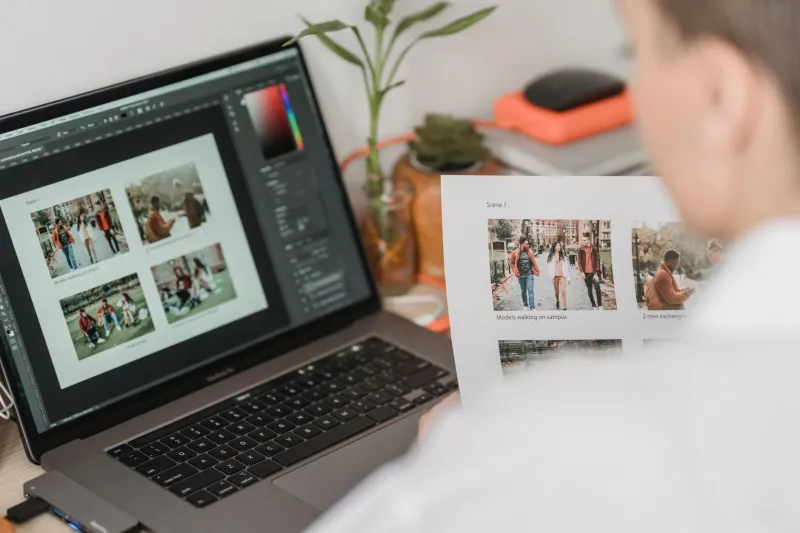
The gallery link lands at 9pm on a Thursday. There is a password, a download button and a sudden, very specific kind of panic: what exactly did we agree was allowed to change? Most UK couples spend weeks discussing outfits, locations, consent and budget before a glamour shoot. Retouching often gets left until the gallery is open and the adrenaline has worn off. That is backwards. In 2026, editing is part of consent, not a tidy-up after the fact. If you would not hand over control of the pose, do not hand over control of your face, skin or silhouette without a conversation.
Start with the keep list, not the fix list
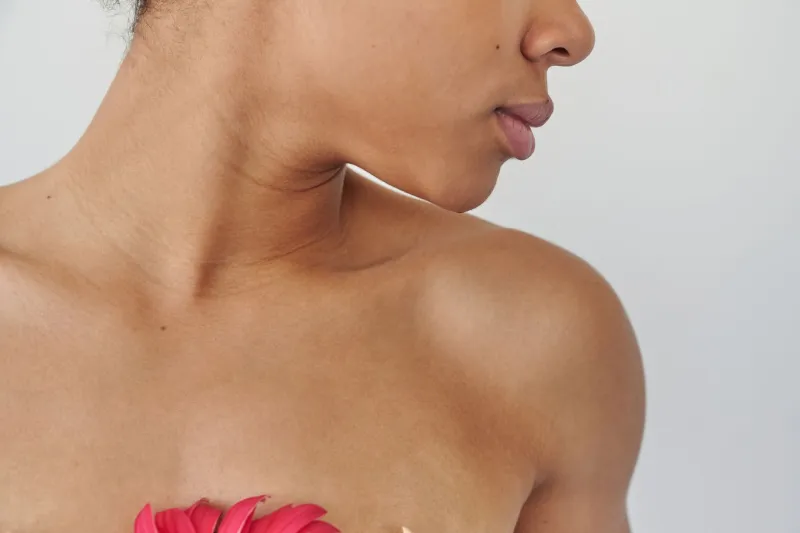
Before anyone opens a healing brush, each partner should name what must stay. Freckles. Moles. Stretch marks. A caesarean scar. A tattoo that took three sittings and a lot of nerve. The shape of your nose. The softness under your chin when you laugh. These are not defects waiting for a polite edit. They are the evidence that the person in the photograph is you. Ask each other: what would feel like erasure rather than polish? Write those answers down. A keep list is easier to honour than a vague request to look natural, because natural means six different things to six different photographers.
Skin, scars and the difference between polish and erasure
Skin retouching is a spectrum. At one end: removing a temporary spot, a stray hair, a bit of lint on a robe. At the other: smoothing every pore until the face looks laminated. Most couples want something in the middle, but they need to say where the middle sits. Be specific. 'Keep my freckles, remove the spot on my chin, soften the shadows under my eyes but do not erase the scar on my knee' is a useful instruction. 'Make me look good' is not. Scars and tattoos deserve special care. A scar may be a history you are proud of or a memory you would rather not see on a 20-inch print. A tattoo may be central to your identity or something you have fallen out of love with. Neither choice is wrong, but the photographer cannot guess.
The just-a-little trap
Body shape and facial edits are where good intentions go rogue. 'Just a little' slimming can become a different waist. 'Just a little' jawline work can turn a familiar face into a stranger. If you do not want your body reshaped, say no liquify, no waist narrowing, no arm slimming, no leg lengthening. If you do not want facial geometry changed, say no eye enlarging, no nose reshaping, no jaw shaving, no de-aging. Agree whether teeth whitening, shine removal or under-eye softening is acceptable. There is nothing anti-glamour about boundaries. Glamour with consent is sharper, not softer.
Put it in writing without killing the mood
You do not need a lawyer to write an edit note. A shared note or a WhatsApp message before the shoot is enough, as long as the photographer confirms it. Keep it warm and clear: 'We are really looking forward to Saturday. Here is our edit list so we are all on the same page.' Then bullet the essentials. Ask the photographer to reply with any limits, such as what their software can do or what they will not alter. This is not distrust. It is a map. It also protects the photographer from a surprise request three weeks later. If you are booking through a studio, ask whether the edit note can be attached to the booking. If you are shooting with an independent photographer, paste it into the final confirmation email.
Approval timelines and the gallery handover
Ask when you will see proofs, how many rounds of changes are included and what happens after the final gallery lands. A sensible 2026 workflow is: a watermarked proof gallery, one round of agreed changes, then finals. Get the dates in writing. If you need a week to review, say so. If one partner is away, agree who can approve and whether both signatures are needed. Ask about AI tools, too. Many photographers now use AI-assisted object removal or skin smoothing. You are allowed to ask whether AI will be used, what it will be used for and whether that will be disclosed. You are also allowed to say no. Finally, agree on distribution: private gallery, printed album, social media, or nowhere. Editing boundaries do not stop at skin. Cropping and captions count.
When you and your partner disagree
One of you may want a tattoo blurred out; the other may think it is the best thing in the frame. One may want a scar kept; the other may want it softened. Each person gets the final say over their own image. If a photograph includes both of you, both of you must agree before it is edited or shared. No secret requests. No 'don't tell them' edits. A photographer should never be asked to alter one partner's body without that partner's knowledge. If you cannot agree, the safe option is to leave the image unedited or leave it out.
A simple edit note you can copy
- Keep: freckles, moles, tattoos, scars, natural skin texture, facial asymmetry, body shape.
- Remove: temporary spots, stray hairs, lint, a specific bruise.
- Soften only: under-eye shadows, shine, a patch of redness.
- Do not: slim, reshape, smooth texture, enlarge eyes, change nose or jaw, de-age, blur tattoos.
- Proofs: date, number of rounds, approval deadline.
- AI: ask if used; agree what for.
- Distribution: private, print, social or none.
- Consent: both partners approve their own image.
The bottom line
Retouching should feel like care, not correction. The best gallery is not the one with the fewest pores. It is the one where you recognise yourself, your partner and the agreement you made before the camera came out. Have the edit conversation early, put it in writing and keep it kind. In UK glamour, the most attractive clause is still consent.