The Frames You Nearly Deleted: Why UK Couples Should Keep the Clumsy Shots
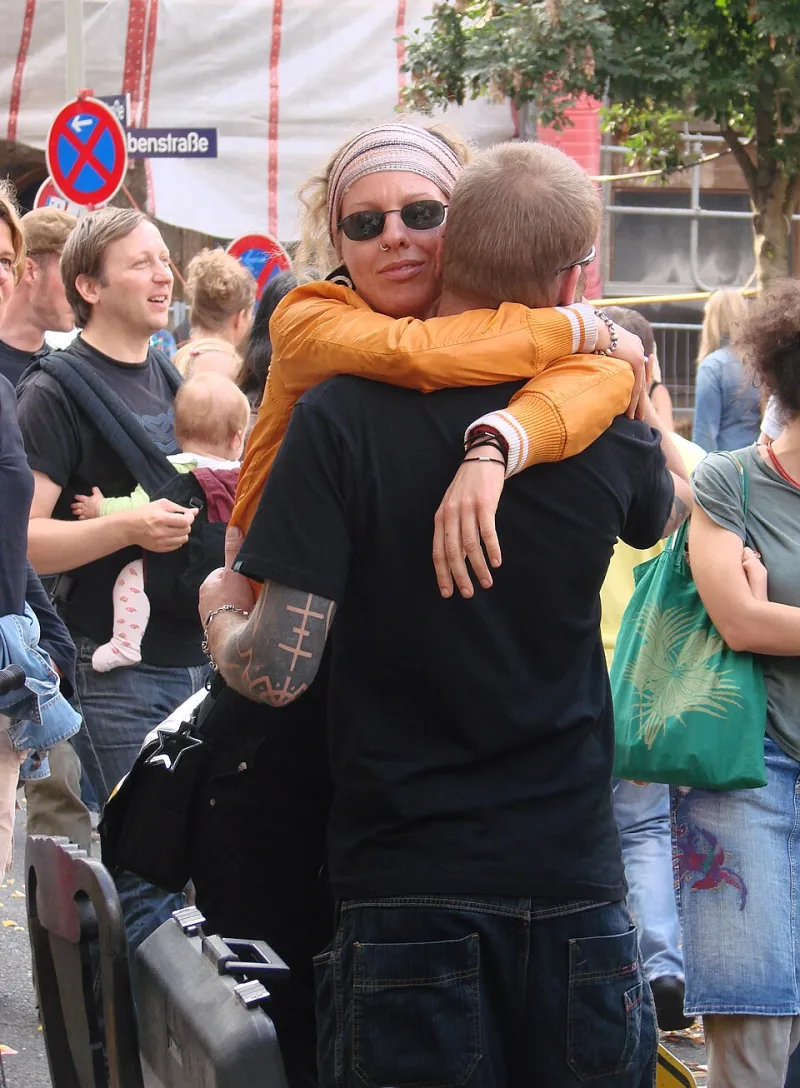
Photo: Photocapy, CC BY-SA 2.0, via Wikimedia Commons
Most couples treat a glamour shoot gallery like a shop window: only the best frames go in, everything else gets swept into the bin. Fair enough. No one wants a camera roll full of blinking, slouching near-misses. But there is a case for keeping a private folder of the frames you would never post — not as a shrine to awkwardness, but as an honest record of how you got comfortable in front of a lens.
Here at Nazila Love Glamour, we are all for a bold final edit. We are also all for knowing why the final edit works. And the outtakes are where that knowledge lives.
The gallery lies a little
A polished set shows confidence. It does not show the three minutes before the confidence arrived, or the joke that loosened a shoulder, or the moment one of you quietly checked that the other was still happy. The final gallery is the headline. The outtakes are the notes in the margin.
That matters for UK couples because most of us are not trained models. We are people with jobs, families, a spare room full of washing and a bank holiday weekend that finally gave us time to book a shoot. Keeping a few clumsy frames is a way of respecting the real process rather than pretending it was effortless.
What a rejected frame actually tells you
A frame you reject is not automatically a frame with no information. Often it is the opposite. It shows the split second before the pose landed, the hand that did not know where to go, the smile that was still warming up. That is useful.
Look at enough of them and patterns appear. One person always drops their chin when they feel watched. The other always lifts their shoulders when the photographer says 'one more'. A couple can spend months guessing why they feel stiff in photos. The outtakes answer the question in about ten minutes.
Nerves have a posture
Nerves are not abstract. They have a posture, a breathing rhythm and a favourite hiding place. For some people it is the hands. For others it is the jaw. For plenty of UK readers, it is the classic frozen smile that appears whenever a camera is pointed at them in a room with a cold radiator and a ticking clock.
Keeping the bad shots lets you spot your own tells. Maybe you lean back when you are unsure. Maybe you grip your partner's arm a little too tightly. Maybe your eyes go somewhere else entirely. None of that is a failure. It is a map. Next time, you can build in a pause, a playlist change, a silly prompt or a five-minute break before the shutter starts again.
Consent cues you cannot unsee
This is the part that matters most. A rejected frame can capture a micro-moment that the polished gallery smooths away: a hand drifting where it was not invited, a smile that tightens rather than softens, a glance towards a partner that clearly asks 'are we still okay?'.
Those cues are not always dramatic. They are often tiny. But when you review outtakes together, you learn each other's language. You see where one of you was performing comfort rather than feeling it. You notice where a check-in would have helped. That is not about blame. It is about becoming better at the shared, consent-aware side of a shoot — the part that never makes the final cut but makes the final cut possible.
Build a private outtake folder
If you are going to keep the clumsy shots, keep them properly. Start with a folder that is separate from your shared gallery and separate from the camera roll that syncs to the family iPad. Give it a boring name like 'Shoot 12 – review only' rather than something that invites curiosity.
Use a password-protected folder or an encrypted external drive. Turn off automatic cloud sync for that folder. If you are working with a photographer, check what their contract says about unedited files and outtakes. Some offer a review folder; many do not. Never assume you are entitled to raw files unless it is agreed in writing. If you are keeping your own behind-the-scenes phone snaps, fine — just treat them with the same care.
Label like adults, not detectives
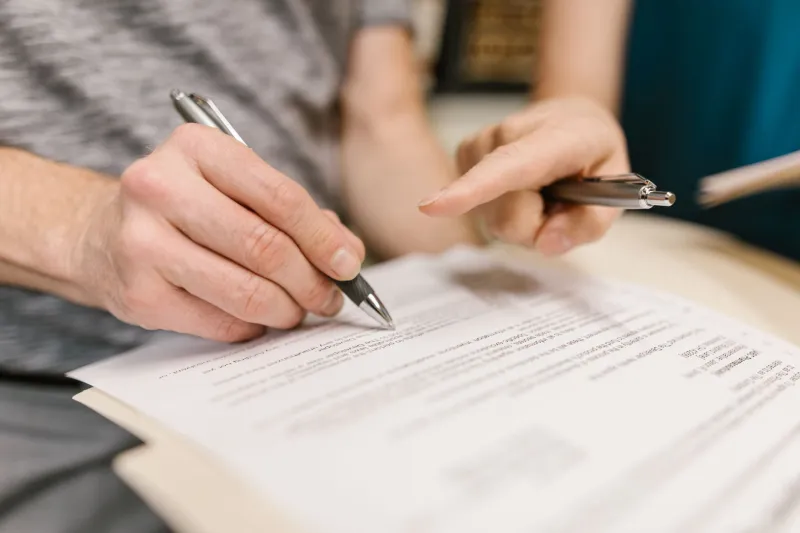
A folder without context becomes a mystery. Add the date, the location, who was present and a simple consent status. 'Private only. No sharing. Review in January.' That is enough. If you want to be thorough, add a line about what each person was comfortable with on the day.
This is not corporate box-ticking. It is good manners with a paper trail. In the UK, we are used to data protection language at work; it is not a bad habit to borrow a little of it at home. The point is simple: anyone in the frame should be able to say what happens to the frame.
The sharing rule that is not negotiable
Never share a bad shot without explicit permission from everyone in it. Not to a WhatsApp group. Not to a friend who 'would never tell anyone'. Not to social media as a funny throwback. Not even if it is blurry. Not even if it is flattering to no one.
A bad shot can be more revealing than a good one. It can show a body at an unguarded angle, a face mid-expression, a private room, a moment that was never meant for an audience. Consent is per image, per platform and per mood. If someone says yes to a private laugh and no to a group chat, that is the rule. No debate.
When to delete, yes, really
Keeping an outtake archive does not mean keeping everything forever. Delete any frame that captures genuine distress, an argument, a moment someone asked not to keep, or anything involving undress that was not clearly agreed. Delete anything stored insecurely. Delete anything that makes either of you feel uneasy when you look at it.
The test is not 'is this embarrassing?' The test is 'does keeping this help us, and does everyone still consent?' If the answer is no, bin it without drama.
A ten-minute review every few weeks
Treat the outtake folder like a rough notebook, not a family heirloom. Once a fortnight or so, sit down together for ten minutes. Look for patterns, not flaws. Which prompts made you laugh? Which poses felt forced? Where did one of you need a break but not say so? Then retire the frames that have taught you what they needed to teach you.
The takeaway
The frames you nearly deleted are not proof that you got it wrong. They are evidence that you showed up, wobbled, adjusted and tried again. Keep a few, label them honestly, lock them down and never share them without a clear yes. Confidence leaves a trail. Sometimes the trail is a blinking, slouching, slightly ridiculous photograph — and that is exactly why it is worth keeping.