Pixels With a Paper Trail: The AI Edit Agreement UK Couples Need in 2026
Photo: Virginia Postrel, CC BY-SA 2.0, via Wikimedia Commons
Most couples arrive at a glamour shoot with the same checklist: lingerie, location, playlist, maybe a nervous laugh in the car. In 2026, there’s another item that belongs on that list, and it’s not a silk robe. It’s the AI edit conversation.
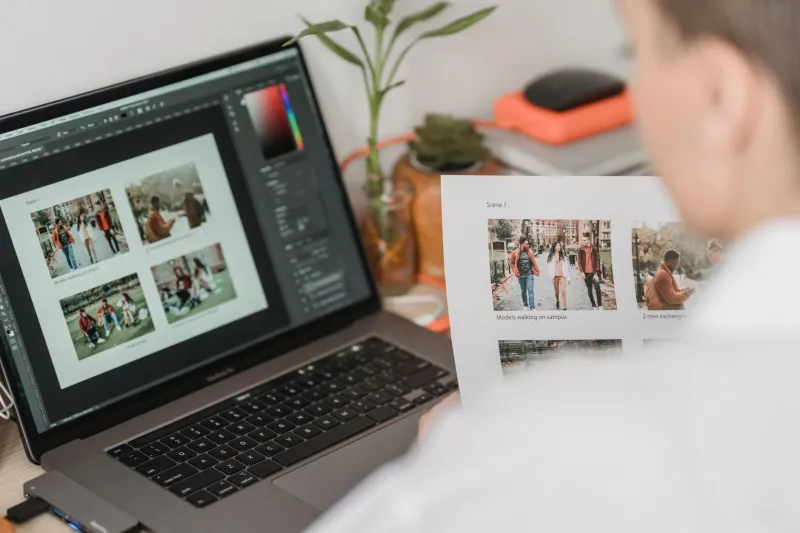
We’re not talking about a light blemish sweep or a stray hair removed in Photoshop. Generative tools can now invent fabric, change a body shape, swap a background, or produce a convincing image of someone who was never in the room. That’s the deepfake bit—and for UK couples booking a shoot, it’s worth naming before the camera comes out.
This isn’t about distrust. It’s about keeping the thrill on your side of the table. A paper trail for pixels, if you like.
Start With the Boring Bit (It Isn’t Boring)
The awkward conversation is usually shorter than the fantasy version in your head. You don’t need a solicitor on speakerphone. You need a shared understanding of what happens to the images after the shutter clicks.
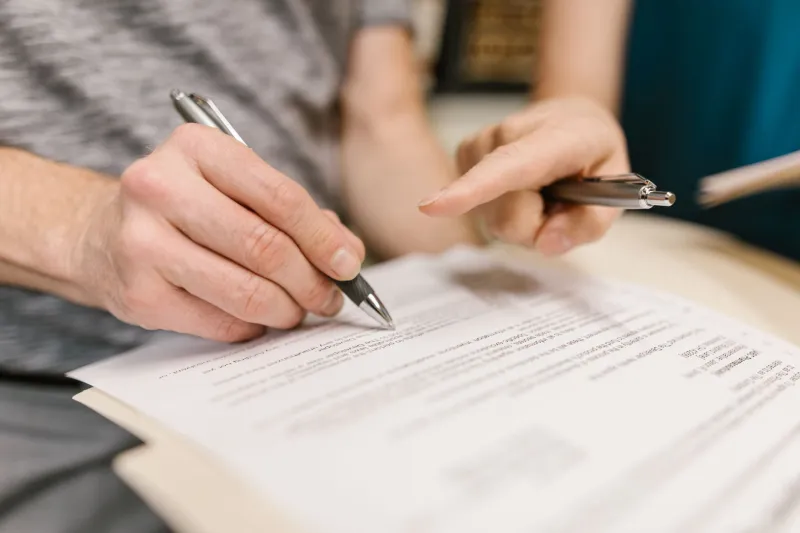
Think of it as a mini contract for the digital afterlife of your shoot. It can sit alongside the shoot agreement you already have—the one covering timings, fees and delivery. Add a page. Call it an AI and edits addendum. Keep it plain English. Both of you sign it, and so does the photographer or studio.
If you’re booking through a UK studio, ask whether they use AI tools at all. Some do, quietly, for culling or background cleanup. Others avoid them entirely. Neither answer is automatically wrong, but you deserve to know which one you’re getting.
Who Holds the Edit Button?
Name the humans. Not just the studio. If a retoucher will touch your images, ask who they are and what they’ll be doing. If an automated tool will process the files, ask which one and what it does.
The useful rule is simple: no unnamed automated pipeline gets to make creative decisions about your body or face. Cleanup is one thing. Invention is another.
Agree who has final approval before anything leaves the studio. Some couples want to see every edit. Others are happy for the photographer to deliver a polished set and flag anything unusual. Put your choice in writing, including how long you have to approve or reject an edit before delivery is considered accepted.
How Far Is Too Far? Define the Retouch Line
Most disputes don’t start with a malicious deepfake. They start with a difference of opinion about what counts as a touch-up. So define three tiers in your agreement.
Tier one is cleanup: temporary blemishes, stray hairs, a crease in the bedding, a distracting plug socket. Tier two is enhancement: skin tone, lighting, contrast, minor smoothing that doesn’t change your shape. Tier three is invention: body reshaping, face swapping, adding or removing clothing, changing the setting, or generating a pose that never happened.
Then decide where the line sits. Many couples are fine with tier one and two, and firmly out at tier three. Some allow a tiny amount of tier three for a background or a stray strap. Very few should allow synthetic nudity or face swaps without an explicit, separate yes.
Write the line down. A sentence like ‘no generative body changes, no face swaps, no synthetic nudity’ is worth more than a vague promise to keep it tasteful.
Where the Pixels Travel: Sharing, Platforms and Third Parties
A glamour shot can end up in more places than a wedding photo. Ask where the images will be stored, who can access the gallery, and whether they’ll be used for the studio’s portfolio or social media. If the answer is yes, get the specific platforms named.
Then ask about AI training. Some platforms and tools use uploaded images to improve their models. Under UK GDPR you have rights around personal data, but the practical move is prevention: don’t upload your images to free AI apps with vague terms, and ask the studio to opt out of training where the option exists.
If a third party—a platform, a printer, a cloud service—might use your images in ways you haven’t agreed to, that belongs in the conversation. A private gallery with an expiry date is often a better shout than a permanent public link.
If Something Goes Sideways: The 72-Hour Plan
Even good agreements need a what-if. Agree a response plan now, while you’re both calm.
Hour one: pause. Don’t fire off a furious message you’ll regret. Preserve the evidence—screenshots, links, timestamps. Hour two: contact the studio or photographer in writing and ask them to stop any further editing or sharing. Hour three: if the image has been posted without consent, use the platform’s reporting tools and keep a record of the report.
Within 72 hours, decide whether you want a correction, a deletion, a public clarification, or all three. If the image is intimate and has been shared without consent, UK law has offences covering intimate image abuse, including deepfakes. This guide isn’t legal advice, but it is a nudge to take it seriously and seek proper advice if needed.
Put It in Writing—Without a Solicitor’s Invoice
You don’t need a ten-page legal document. A one-page addendum can cover: who edits, which tools are allowed, the retouch line, where images can be shared, how long they’re stored, what happens if you withdraw consent, and how disputes are handled.
Both parties should keep a copy. If the studio pushes back on every point, that’s information. A good photographer will have clear answers because they’ve thought about this too.
The Glamour Bit
None of this kills the mood. If anything, it protects it. The best glamour shoots feel bold because the people in them feel safe. A consent-first AI clause is not a wet blanket. It’s the difference between a fantasy you control and one that gets remixed without you.
So before the robe drops and the first frame lands, have the chat. Name the tools. Draw the line. Keep the paper trail. Then go make something worth looking at—on your terms.