A Seat, Not a Script: Rethinking the Chaperone on UK Glamour Shoot Days
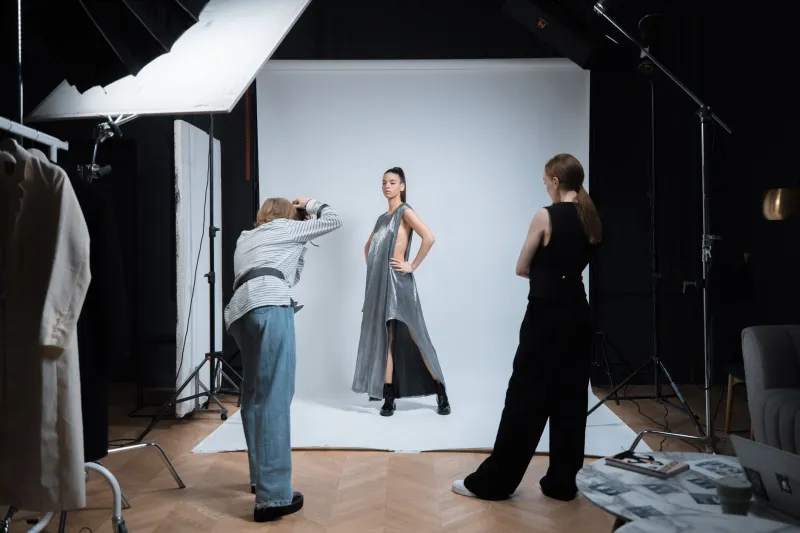
The question usually arrives by text, somewhere between the studio address and the what-should-I-wear chat: “Should I bring someone with me?” It sounds simple. It is not. On a UK glamour shoot day, the room has a atmosphere of its own — part dressing room, part confessional, part creative workshop. Adding another person can anchor that atmosphere or throw it off. The trick is treating a chaperone as a seat in the room, not a script for the day.
First, what a chaperone is not
A chaperone is not a bouncer, a director or an audience. They are not there to vet every pose, negotiate the lighting or provide running commentary from the corner. Their job is support and witness: to help you feel steady, to notice if something feels off, and to make sure your boundaries are respected without turning the shoot into a committee meeting.
That distinction matters in glamour work, where confidence and atmosphere are doing half the heavy lifting. A good chaperone makes the room feel safer and quieter. A bad one makes it feel smaller. The difference is rarely about whether they are a friend, a partner or a professional. It is about whether they understand the role.
The three chaperone shapes
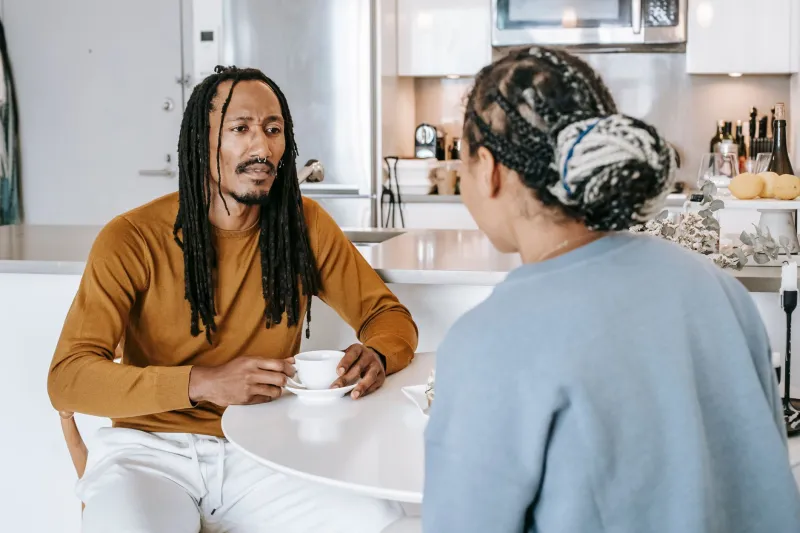
Most people arrive at one of three options. The friend is the classic: someone who knows your humour, can hold your bag and will tell you honestly if your lipstick has travelled. The partner can be brilliant reassurance, especially if the shoot is a shared adventure, but the dynamic needs care. If either of you is likely to feel jealous, sidelined or competitive, the room will show it.
Then there is the professional chaperone — someone used to sets, boundaries and the awkward bits of creative work. They are often the best fit for a first shoot, a sensitive concept or a location you do not know. They are not there to be your mate. They are there to do a job, and that clarity can be freeing.
Whichever shape you choose, the person needs a brief. “Just come along” is not a brief. It is a recipe for crossed wires.
When a second person genuinely helps
A chaperone earns their seat when the day involves something unfamiliar. A first glamour shoot. A train from Leeds to a London studio you have never seen. A concept that sits close to your boundaries. A health condition or access need that makes solo travel harder. A past experience that has left you wanting a witness in the room.
In those cases, the practical stuff matters as much as the emotional stuff. Someone to carry the second bag. Someone to nip out for a coffee while the photographer resets the lights. Someone to ask, quietly, “You still good?” That is not neediness. It is good set craft.
A chaperone can also help with the boring bits of consent-aware working: confirming what was agreed, noting when a break is needed, and making sure nobody “just tries” a shot that was not discussed. That is especially useful if you are working with someone new or shooting content that feels more revealing than your usual comfort zone.
When the room gets crowded
Small studios are not built for audiences. Add one more body, a phone, a coat and a running commentary, and the space changes. The model may start performing for the chaperone rather than the camera. The photographer may feel watched rather than trusted. Silence becomes harder to find, and silence is often where the best frames live.
If your chaperone is scrolling TikTok, chatting during lighting changes or offering unsolicited pose notes, the room will tell you. You will feel it in your shoulders. The photographer will feel it in the pace. That is the moment to reset, not to grin and bear it.
Sometimes the right answer is a nearby cafe. A chaperone does not have to be in the room every minute to be useful. They can travel with you, meet you afterwards, or wait ten minutes down the road. Presence is not the same as proximity.
The pre-shoot brief
A fifteen-minute call or a kitchen-table chat is enough if you cover the basics. Explain the role: support, witness, not director. Explain the boundaries: what they should not photograph, post or repeat. Explain the signals: a phrase like “Can we take five?” that means pause now, no debate. Explain where they will sit and when they should step out.
The photographer should know who is coming and why. Not in a defensive way — in a practical one. Ask whether the studio has space for another person, whether there are any house rules, and whether the chaperone can take behind-the-scenes photos. Usually the answer is no unless it has been agreed in advance.
It also helps to agree what the chaperone will do if they feel concerned. Will they speak to you first? Ask for a break? Address the photographer directly? A clear route for raising a concern stops small worries from becoming big resentments.
The photographer’s side of the room
A respectful photographer will welcome a briefed chaperone, offer them a chair and a glass of water, and explain the flow of the shoot. They will not treat the chaperone as an enemy or as invisible. They will check consent at the start and again when the concept shifts. And if the chaperone oversteps, they should feel able to pause the room and reset the roles.
That cuts both ways. A chaperone who respects the set — phone on silent, no directing, no sighing at the lighting — makes the photographer’s job easier. Good manners are not a luxury on a glamour shoot. They are part of the safety kit.
The exit plan
Agree before the day how the chaperone will leave. Maybe they stay for the first hour and then head off. Maybe they wait nearby. Maybe they are there for the whole thing because that is what you need. Whatever the plan, put it in words. A chaperone who lingers awkwardly because nobody agreed an ending is no good to anyone.
And plan the journey home. A debrief on the train, a cup of tea, a check-in text the next morning. The shoot may be over, but the aftercare is still part of the day.
A small etiquette checklist
Ask before bringing anyone. Brief them properly. Keep phones silent. Do not direct the shoot. Respect the photographer’s space. Do not post behind-the-scenes content without agreement. Step out when asked. Check in with the person you came for. And remember that the model — not the chaperone — is the one whose comfort comes first.
In 2026, the best UK glamour sets are not the ones with the most people in the room. They are the ones where everyone knows why they are there. A chaperone can be a steady hand on a nervy day. They can also be the reason the room never quite relaxes. Choose the person, brief the role and keep the seat — not the script.